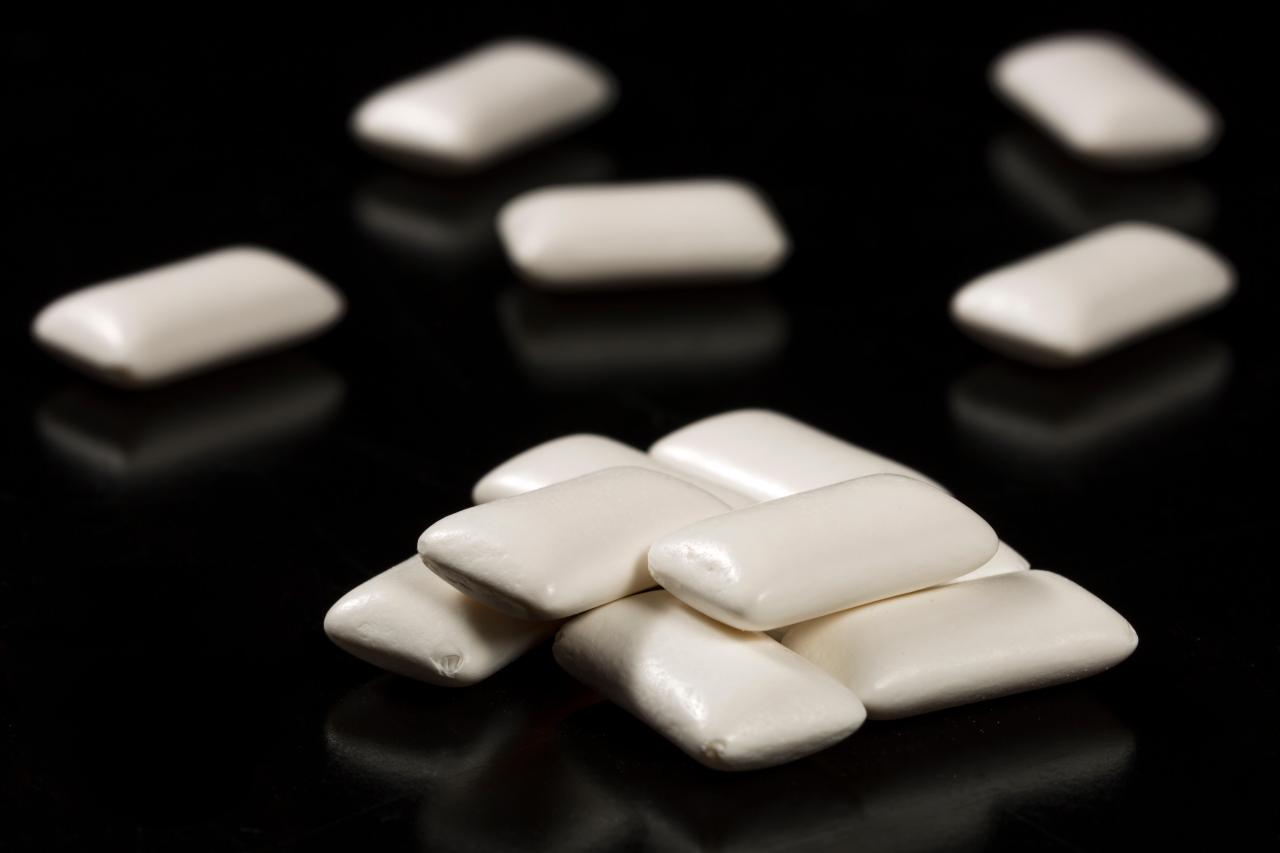
Scientists have issued a significant warning about a common sweetener found in many sugar free products after new research linked it to a deadly liver disease. According to the study, sorbitol, a sweetener used in chewing gum, diet drinks, sugar-free snacks and countless low-calorie products, may contribute to the development of metabolic dysfunction associated steatotic liver disease (MASLD), the condition formerly known as non-alcoholic fatty liver disease. The research suggests that consuming sorbitol can lead to a buildup of the substance in the liver when the gut microbiome is disrupted. Scientists say this buildup can cause dangerous fat accumulation in the liver, potentially triggering MASLD. The disease already affects up to one in five people in the UK, but experts warn the real figure may be as high as 40 percent, with the vast majority undiagnosed. The study, published in Science Signalling, examined the gut microbiome of zebrafish. Their gut microbiome, the ecosystem of beneficial bacteria responsible for digestion and food breakdown, plays a key role in preventing liver damage. Researchers found that when gut bacteria were depleted, the sorbitol produced naturally as the body processes glucose travelled directly to the liver, causing fatty liver disease even though the fish were eating a normal diet. Normally, bacteria break down sorbitol before it can reach the liver, preventing harm, but this protective mechanism collapses when the microbiome is weakened. Scientists highlighted that sorbitol is one transformation away from fructose, a sugar previously shown to accelerate cancer cell growth and contribute to steatotic liver disease. Dr Gary Patti of Washington University explained that sorbitol can be generated by the gut after eating and that if you dont have the right bacteria, thats when it becomes problematic, because sorbitol then bypasses the gut, reaches the liver intact and is converted into a harmful fructose derivative. He added that high blood glucose levels, common in diabetes, further increase sorbitol production, which may explain the strong link between MASLD and metabolic disorders. The researchers warned that sugar-free alternatives may not be as harmless as assumed. They said excessive sugar or sorbitol intake can overwhelm gut bacteria even in people with healthy microbiomes, still allowing sorbitol to reach the liver. Once in the liver, it contributes to fat accumulation in the organ, reinforcing the cycle of liver damage. According to the findings, excessive intake of dietary sorbitol may pose a risk for the development of MASLD, and gut bacteria that degrade sorbitol are crucial in protecting against sugar-driven liver disease. Many people with MASLD experience no obvious symptoms, meaning the condition is often discovered accidentally during routine tests. Some experience fatigue, abdominal discomfort or general malaise, but more advanced disease can cause jaundice, swelling, bruising and confusion. Scientists say the low diagnosis rate is partly due to these subtle or ambiguous symptoms. While the study raises serious concerns, experts also urged caution in interpreting the findings, noting that the dangers of artificial sweeteners are often overstated when compared with the well-established harms of excessive sugar. They stressed that more research is needed but said the long-standing assumption that sugar-free options are universally healthier may not hold true. The findings come as health researchers continue to scrutinise the impact of artificial sweeteners on long-term wellbeing, warning that the relationship between diet products and metabolic disease is more complex than once believed.The post Common ingredient used in soft drinks, chewing gum and toothpaste is linked to deadly liver disease appeared first on Linda Ikeji Blog.



