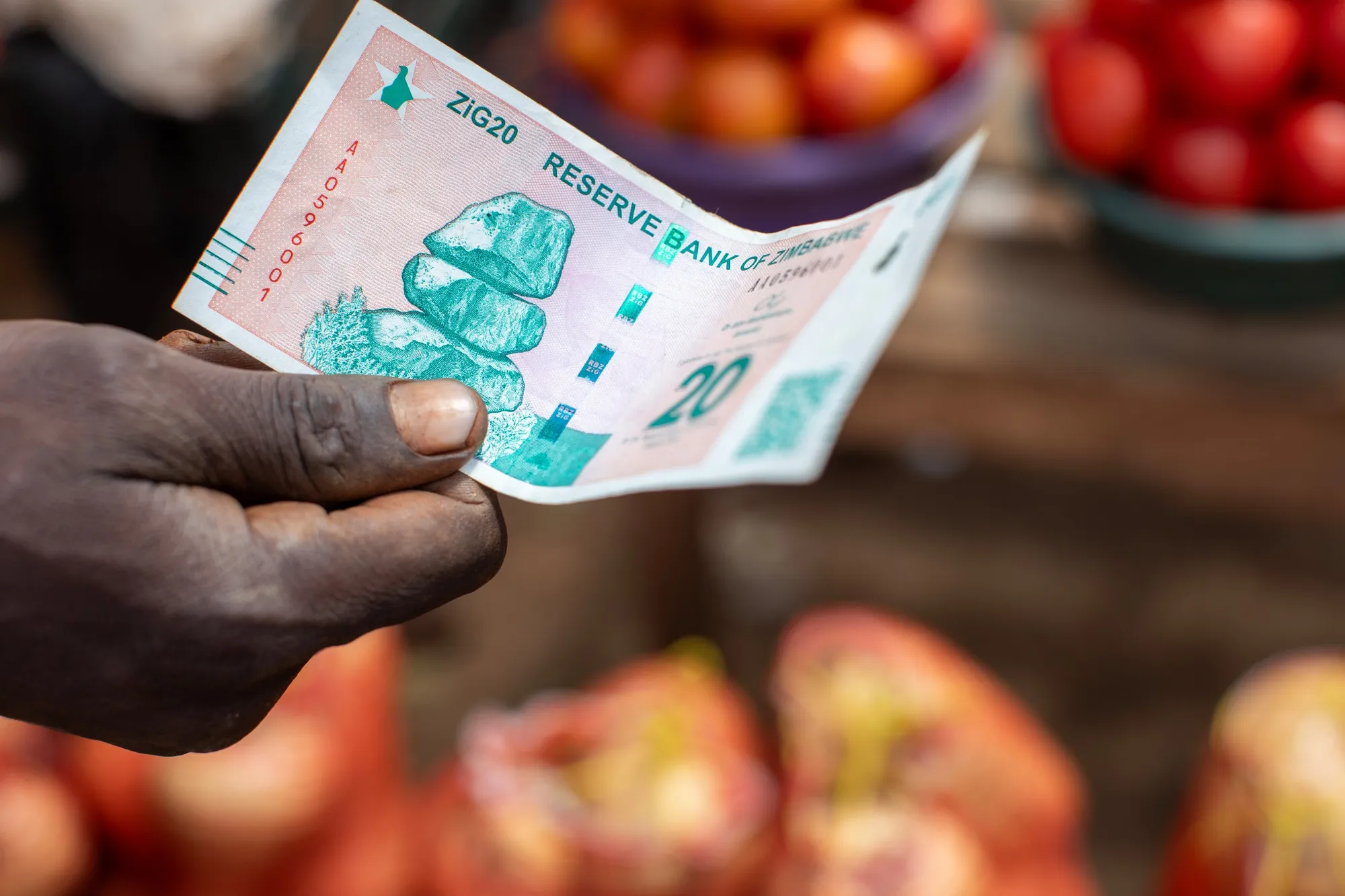
Zimbabwes annual inflation rate has fallen to single digits for the first time since 1997, a development authorities say is crucial to plans to make the gold-backed ZiG the countrys sole currency by 2030.Official data show that inflation slowed sharply to 4.1 per cent in January, down from 15 per cent the previous month. The decline marks a significant turnaround after decades of price instability.This marks a historic moment for Zimbabwe, Finance Minister Mthuli Ncube said in an emailed statement on Monday, noting that it is nearly three decades since the country last recorded single-digit inflation in its domestic currency.The development comes amid efforts to stabilise the ZiG, short for Zimbabwe Gold, which was introduced in April 2024 following repeated currency failures and bouts of hyperinflation. The ZiG is the countrys sixth attempt since 2009 to replace the US dollar as the primary medium of exchange.The central bank has set several benchmarks that must be met before the ZiG can operate as the sole currency, including maintaining single-digit inflation and building foreign reserves sufficient to cover three to six months of imports.According to Ncube, foreign assets backing the ZiG rose to $1.2 billion by December, up from $276 million at the time of the currencys launch. He added that the government would continue to pursue well-coordinated monetary and fiscal policies to entrench price stability.The Ministry of Finance, Economic Development and Investment Promotion said the milestone signalled the end of a more than 20-year wait for sustained price stability. In a statement issued on January 26, 2026, Ncube described the development as central to Zimbabwes long-term economic goals.This marks a critical milestone towards durable macroeconomic stability, critical for sustainable economic growth and the achievement of Vision 2030, Towards a Prosperous and Empowered Upper Middle-Income Society, he said.The minister linked the improvement directly to the structured introduction of the ZiG currency and its backing by tangible reserves, which he said had helped restore confidence.This marks a historic milestone for Zimbabwe after nearly three decades since the country recorded single-digit inflation in domestic currency. This is a result of concerted and consistent efforts by the Ministry of Finance, Economic Development and Investment Promotion and the Reserve Bank of Zimbabwe through the implementation of complimentary fiscal and monetary policies, Ncube said.He added that the governments objective was to sustain the gains. Price stability implies low and stable inflation, typically single digit inflation. The objective of the Government is to maintain single digit inflation for the year and beyond as part of the macro-economic stabilising framework, he said.Government data also suggest the easing inflation is beginning to affect household costs. A comparison of prices between January 2025 and December 2025 showed little change or, in some cases, declines in the cost of staples such as bread, mealie meal, sugar and cooking oil.The ministry said stable prices would help preserve incomes and savings, support business planning and reduce speculative activities that distort the economy.For citizens, stable prices preserve buying power of incomes and protects savings. For business, it enables long term planning, reduces operational costs and enhances profitability. This also eliminates opportunities for arbitrage and speculation which distorts the macro-economic environment, the statement said.Looking ahead, the government called on businesses and labour unions to help sustain the progress. To further guarantee the stability going forward, there is also need for all stakeholders, particularly business and labour to work closely with Government to entrench stability. Specifically, business should exercise restraint in price setting, while workers should align their salary adjustments requests to inflation developments, Ncube said.He concluded that the achievement aligns Zimbabwe with Southern African Development Community macroeconomic benchmarks, which target an inflation range of 3 to 7 per cent, adding that the focus is now on defending single-digit inflation for the foreseeable future.The post Zimbabwe makes history with single-digit inflation for the first time since 1997 appeared first on Linda Ikeji Blog.

 ‘The role of the government is not to parent recalcitrant children” – Lagos Commissioner for Environment responds after reality TV star, Tacha, slams Lagos govt for arresting child beggars
 Beauty entrepreneur and reality TV star, Diiadem, shows off her newly acquired house
 Fresh twist in the Celeste Rivas case as LAPD blocks release of autopsy details and new claims emerge
 Actress Doris Ogala threatens to expose alleged affairs linked to Pastor Chris Okafor in video post after police invitation