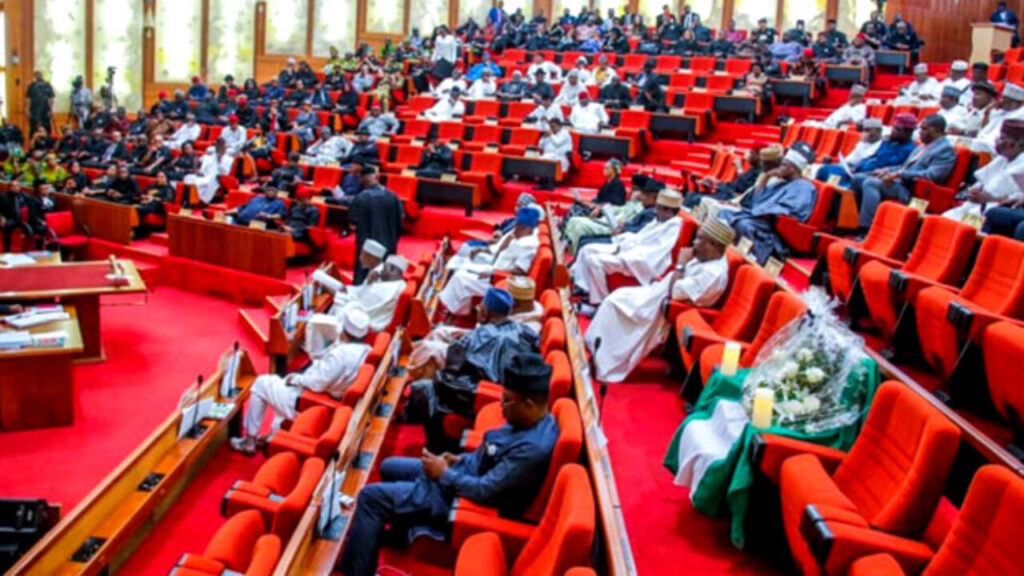
The Nigerian Senate has amended the Electoral Act to permit electronic transmission of election results, while retaining manual backup procedures to address potential technical challenges.The decision followed a move by the upper chamber to rescind its earlier rejection of compulsory electronic transmission of results from polling units to the Independent National Electoral Commission (INEC) Result Viewing Portal (IREV).Under the revised framework, electronic transmission will serve as the primary method of uploading results. However, in cases of internet connectivity failure or other technical disruptions, Form EC8A will remain the fallback instrument for result collation, provided it is duly signed and stamped by the presiding officer.The proposal generated debate among lawmakers, particularly over concerns that reliance on Form EC8A in disputed cases could undermine the objective of strengthening transparency.The disagreement prompted Senator Enyinnaya Abaribe to initially demand an individual vote to clearly determine each lawmakers position. He later withdrew the request, after which the votes and proceedings were adopted by the chamber.The amendment formed part of deliberations on Clause 60(3) of the Electoral Act (Repeal and Enactment) Bill, 2026. The clause had earlier been altered to remove the phrase real-time in relation to electronic transmission, leaving INEC with discretion over the method of result transmission.The matter triggered nationwide reactions, including protests such as the Occupy National Assembly demonstration in Abuja. Civil society groups and political figures, including Peter Obi and Rotimi Amaechi, had called for mandatory real-time electronic transmission to enhance electoral transparency.During the emergency plenary session, Senate President Godswill Akpabio backed a compromise that designates electronic transmission as the primary method, while allowing manual submission strictly in the event of technical failure.In a related development, the Senate constituted a 12-member conference committee to harmonise differences between its version of the Electoral Act (Amendment) Bill and that of the House of Representatives.After consultation with the leadership, we have moved the number from nine to 12. I will now read out the names of the conference committee members from the Senate, Akpabio said.The committee is chaired by Senator Simon Bako Lalong and includes Senators Mohammed Tahir Monguno, Adamu Aliero, Orji Uzor Kalu, Abba Moro, Asuquo Ekpenyong, Aminu Iya Abbas, Tokunbo Abiru, Niyi Adegbonmire (SAN), Jibrin Isah, Ipalibo Banigo and Onyekachi Nwebonyi.Akpabio urged the committee to expedite its assignment, expressing optimism that the harmonised bill would be transmitted to Bola Tinubu for assent within February.He said he expected the President to sign the bill into law within a week once it is forwarded as an Act of Parliament. Tuesdays plenary session was marked by tense exchanges and repeated interruptions as lawmakers debated the controversial provisions.The post Senate retains manual backup as it reverses stance to allow E-transmission of election results appeared first on Linda Ikeji Blog.

 IG model, Celina Powell posts video of her in bed with rapper Offset knocked out, says they made a tape together
 “Are they plucking husband from tree?” Woman engages in confrontation with her mother who is pressuring her to get married
 Military should have apologised to Nigerians for denying coup plot against Tinubu’s government â Falana
 A man can have 500 wives and 500 concubines if he wants. If you don’t like this, go and divorce him – Ghanaian lawyer addresses women