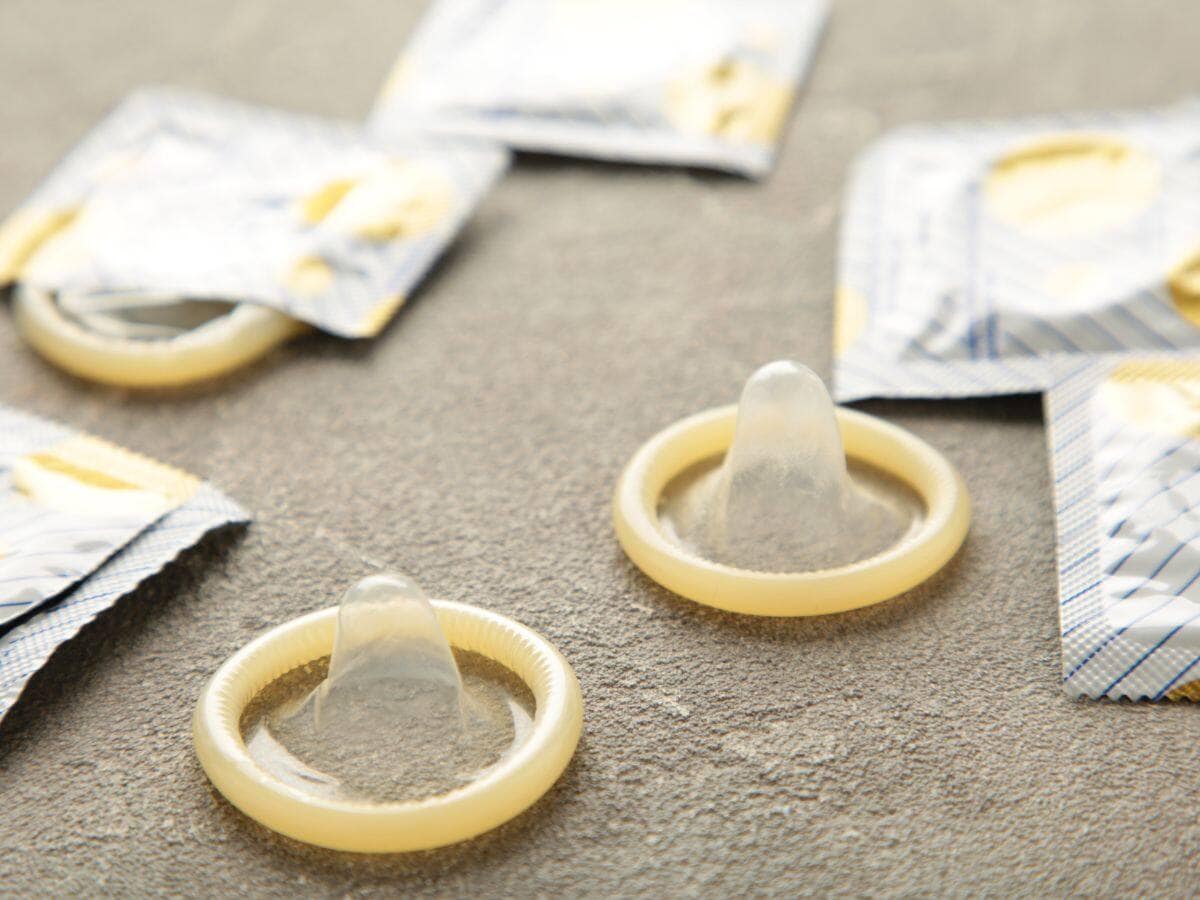
The Chinese government has reportedly introduced a 13% sales tax on contraceptives from 1 January, while exempting childcare services, in a bid to address its declining birth rates. According to BBC News, Official figures show Chinas population has shrunk for the third year in a row, with just 9.54 million babies born in 2024, roughly half the number recorded a decade ago. From January 1, contraceptives that were exempt from value-added tax (VAT) for over three decades are now subject to a 13% levy. The exemption dated back to 1994, when China was firmly enforcing its one-child policy. The revised structure, announced in late 2025, removes these legacy concessions while extending VAT relief to childcare services, elderly care, and marriage-related expenses. Alongside tax changes, authorities also rolled out measures including longer parental leave and cash handouts. But the decision to tax contraceptives has sparked widespread debate and ridicule online. Daniel Luo, 36, who has one child and has no plans to have more, doesnt believe raising tax on contraceptives will lead to more babies. Its like when subway fares increase. When they go up by a yuan or two, people who take the subway dont change their habits. You still have to take the subway, right? the 36-year-old, who lives in the eastern province of Henan, told the BBC. Others, meanwhile, worry the tax could have unintended consequences. Rosy Zhao, who lives in the central city of Xian, warned that making contraception more expensive could push students or people struggling financially to take risks. She said this would be the policys most dangerous potential outcome.Some experts question whether boosting birth rates is the real reason behind the tax introduction. Demographer Yi Fuxian suggests the government is instead looking to raise revenue as it grapples with rising debt and a property downturn. The post China introduces Condom tax, cut childcare costs in move to boost birth rates appeared first on Linda Ikeji Blog.

 I ‘ve been married for 11 years but can’t go close to him unless he wants s3x – Woman laments
 Ryan Routh to be sentenced over failed 2024 @ssassination attempt on Trump
 JUST IN: FG Bans Spraying of Naira, Money Bouquets Ahead of Valentine’s Day
 Trump threatens 25% tariff on countries doing business with Iran as protests turn deadly