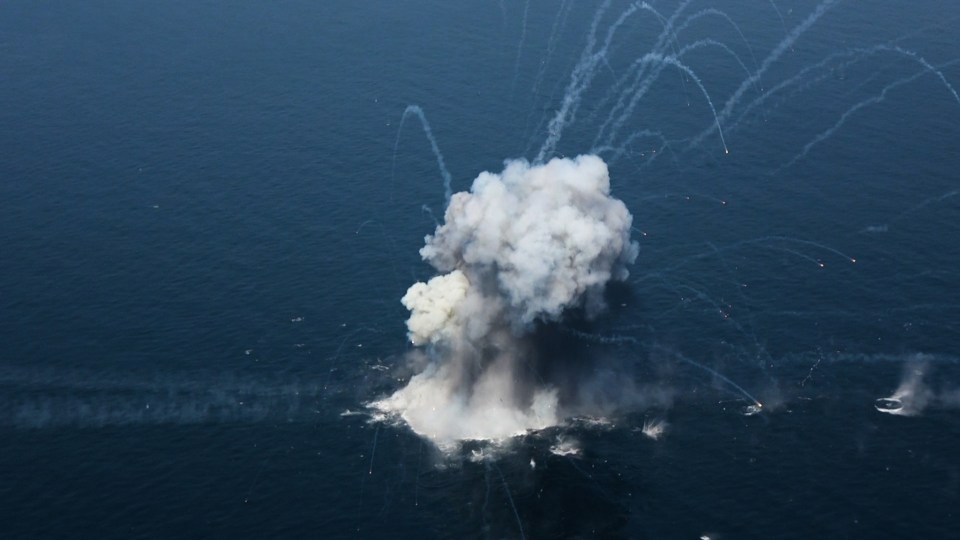
Iran has escalated tensions with the United States by closing off the Strait of Hormuz while conducting live-fire naval drills, marking the first time the vital oil shipping route has been shut since the 1980s tanker war between Iran and Iraq.The Strait of Hormuz, a crucial Gulf chokepoint through which roughly 20 percent of the worlds oil supply passes, was closed as Irans Islamic Revolutionary Guard Corps carried out military exercises in a rare show of force. The move follows heightened rhetoric between Tehran and Washington amid ongoing talks over Irans nuclear programme.Supreme Leader Ayatollah Ali Khamenei warned that the strongest army in the world might sometimes receive such a slap that it cannot get back on its feet, in remarks widely interpreted as directed at the United States. He also criticised what he described as American intimidation tactics in the region.
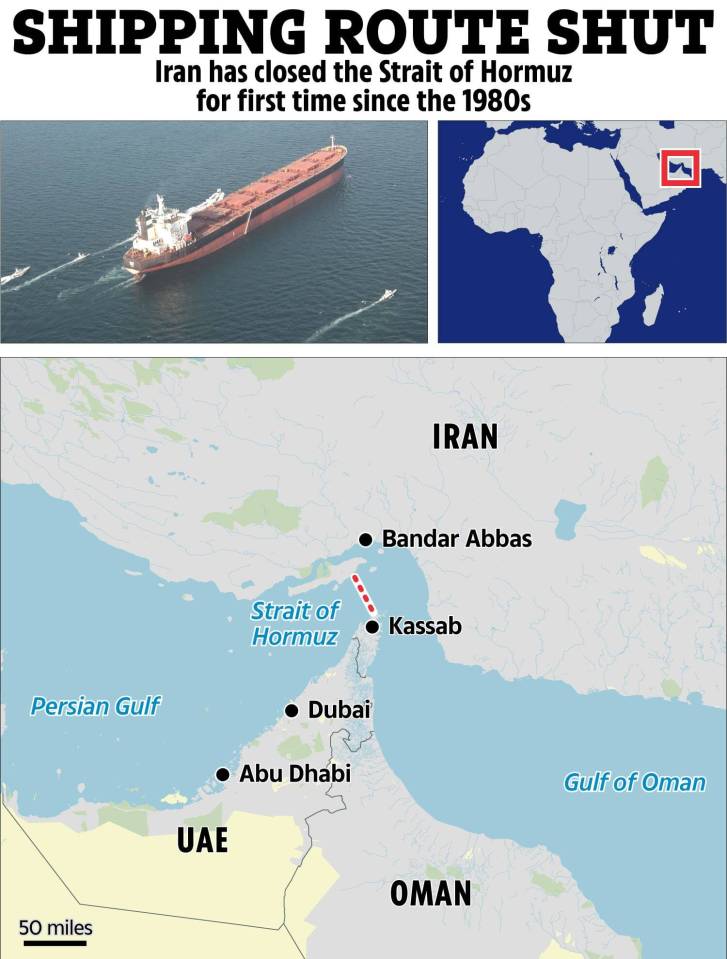
The closure of the strait revived memories of past confrontations, including previous instances when Tehran harassed commercial shipping and deployed naval mines during periods of heightened conflict. Oil markets have historically reacted sharply to threats involving the waterway.Iran is also set to conduct joint naval drills with Russia in the Sea of Oman and the northern Indian Ocean, according to Iranian state-linked media. Iranian navy commander Hassan Maghsoodloo said the exercises were aimed at ensuring maritime security and safety.The developments come as diplomatic efforts continue. Irans Foreign Minister Abbas Araghchi described recent talks in Geneva as opening a new window toward a possible agreement, adding that Iran remained hopeful negotiations could lead to a sustainable solution serving the interests of all parties.However, he cautioned that Iran remains fully prepared to defend itself against any threat or act of aggression, warning that any attack would have consequences beyond its borders.
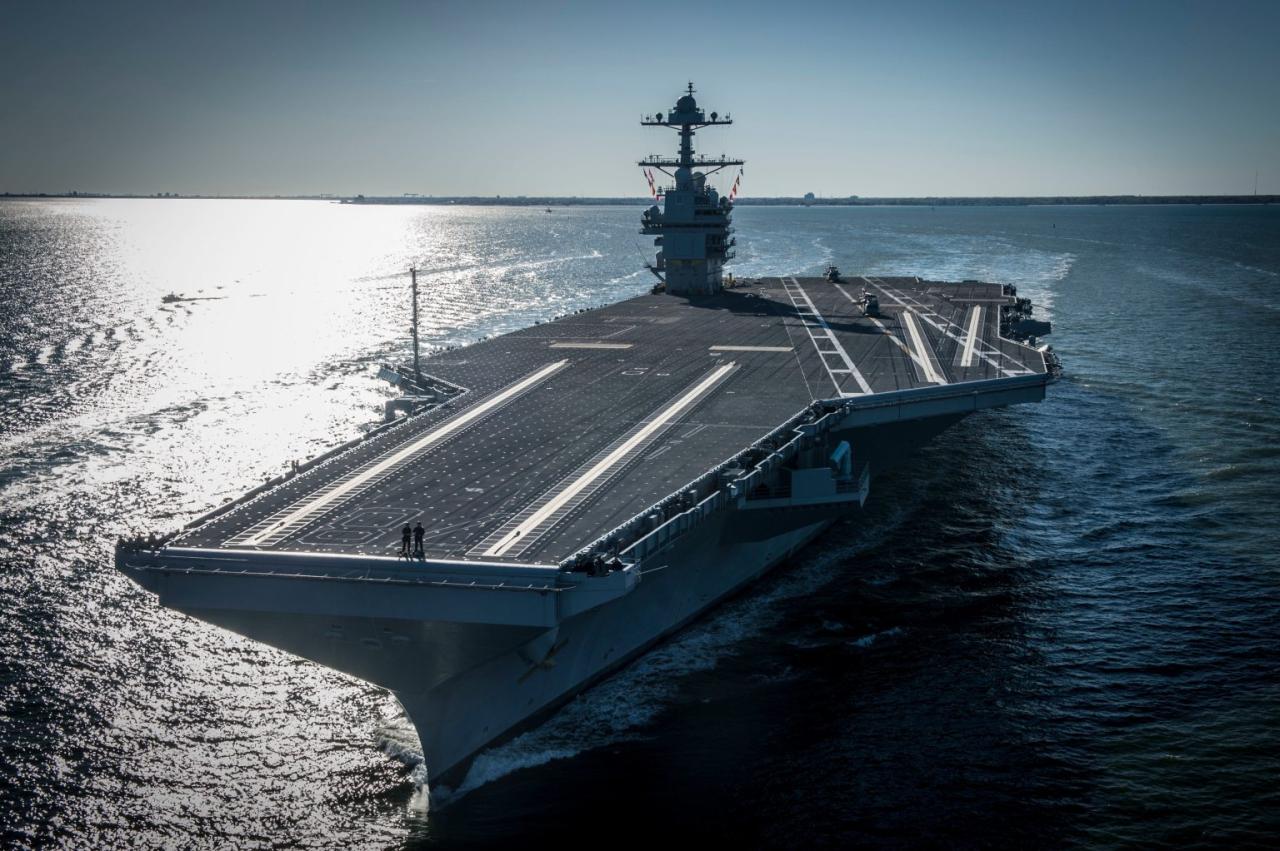
In Washington, Vice President JD Vance offered a more measured assessment of the negotiations, saying: In some ways, it went well. But in other ways, it was very clear that the president has set some red lines that the Iranians are not yet willing to actually acknowledge and work through.US President Donald Trump has maintained pressure on Tehran, recently deploying the aircraft carrier USS Gerald R. Ford to join the USS Abraham Lincoln strike group in the region, significantly increasing American naval presence near Iran.Khamenei responded to the deployment by saying: They constantly say we have sent an aircraft carrier towards Iran. Very well, an aircraft carrier is certainly a dangerous machine, but more dangerous than the carrier is the weapon that can send it to the bottom of the sea.Trump, speaking aboard Air Force One, reiterated that Tehran wants a deal but warned that military options remain available. Referring to previous strikes on Iranian nuclear facilities, he said: We could have had a deal instead of sending the B-2s in to knock out their nuclear potential. And we had to send the B-2s.As both sides continue negotiations while reinforcing their military posture, tensions remain high across the Gulf, with global energy markets closely monitoring developments around the Strait of Hormuz.The post Iran closes vital shipping route Strait of Hormuz for first time since 1980s after threat to sink Trump aircraft carrier appeared first on Linda Ikeji Blog.

 Rapper Baby Smoove arrested in Miami on drug and weapon charges
 FCT: Court bars NLC, TUC, others from planned protest
 Footballer Allan Saint-Maximin quits Mexican giants Club America after claims his children were victims of ‘racist abuse’
 “Life can change in a few months” Man writes as he shares the way his Christmas this year is different from last year