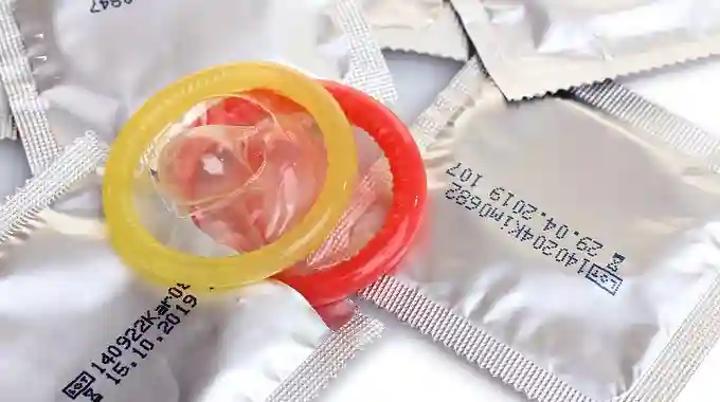
The Joint United Nations Programme on HIV/AIDS (UNAIDS) has reported that condom distribution for HIV prevention in Nigeria dropped by 55 percent between December last year and March 2025. The figures, released on Tuesday, November 26, as part of UNAIDS 2025 World AIDS Day report titled Overcoming Disruption, Transforming the AIDS Response, highlight what the agency described as widespread interruptions to prevention, testing and community-based programmes across dozens of countries. UNAIDS said an uncountable number of additional deaths have occurred globally and 2.5 million people have lost access to HIV-preventive medication due to major cuts in international HIV programmes since Donald Trump returned to the White House. Persistent funding shortfalls and the perilous risks facing the global HIV response are having profound, lasting effects on the health and well-being of millions of people throughout the world, the report stated. For countries like Nigeria that rely heavily on donor support to sustain prevention and treatment infrastructure, UNAIDS said the impact has been immediate and severe. Several of the organisations community partners reported deaths among people living with HIV due to the closure of clinics and disrupted treatment services. UNAIDS noted that the exact number of additional deaths remains unknown as data collection continues. The agency said the global AIDS response entered crisis mode earlier this year when the United States, which previously provided 75 percent of international HIV funding, temporarily halted all HIV-related funding. Other donor countries also sharply reduced foreign aid after pressure from Trump to prioritise defence spending. Although some programmes have resumed under the U.S. PEPFAR initiative, UNAIDS warned that overall global funding continues to fall, jeopardising the goal of ending AIDS as a public health threat by 2030. UNAIDS Executive Director Winnie Byanyima told reporters in Geneva that the organisation is working with at least 30 countries to improve domestic HIV financing. She said this could not close the funding gap immediately, adding that major challenges persist. UNAIDS said 40.8 million people are living with HIV worldwide, with 1.3 million new infections recorded in 2024. The agency estimated that 2.5 million people had lost access to PrEP, the preventive HIV medication, as of October 2025 due to donor cutbacks. Byanyima added that distribution of preventive HIV medicines had declined by 31 percent in Uganda, 21 percent in Vietnam and 64 percent in Burundi. A UNAIDS and ATHENA Network survey conducted this year found that almost half of women and adolescent girls had experienced disruptions to HIV prevention or treatment services in their communities. While global HIV infections dropped by 39 percent in 2023 compared to 2010,with sub-Saharan Africa seeing a 56 percent reduction, UNAIDS noted that 1.3 million people still acquired HIV in 2023, far above the 2025 target of fewer than 370,000. The report expressed concern over declining condom use despite condoms remaining the most effective low-cost HIV prevention method. UNAIDS said condom programmes and social marketing initiatives had been defunded in many countries. It cited survey data indicating declining condom use, especially among young people aged 15 to 24, and said condom use during s3x with non-regular partners is now highly infrequent. It noted: About 36% of adults in eastern and southern Africa and 25% in western and central Africa used a condom at last s3x. UNAIDS warned that insufficient funding continues to hinder global progress against HIV. In 2023, only US$19.8 billion was available for HIV programmes in low, and middle-income countries, almost US$9.5 billion short of what will be needed in 2025. Adjusted for inflation, HIV funding is now at its lowest point in over a decade, with domestic funding declining for the fourth consecutive year and international funding nearly 20 percent below its 2013 peak. UNAIDS said the reductions would have been even worse without the Global Fund and continued U.S. government support. The agency added: Development assistance for HIV will continue to be crucial. The continued underfunding of HIV prevention, societal enabler programmes, and community-led activities does not bode well for the HIV response. Interventions for people from key populations are especially neglected, even in regions where the vast majority of new HIV infections occur in people from these populations. It noted that only US$1.8 to 2.4 billion was available globally for primary prevention programmes in 2023, compared with the US$9.5 billion required in 2025. UNAIDS urged world leaders to recommit politically and financially to ending AIDS, referring to pledges made at the recent G20 summit in South Africa. The agency also called for increased investment in innovations, including affordable long-acting prevention medications, and emphasised the need to strengthen human rights protections and community-led approaches as essential components of an effective global HIV response.The post HIV Prevention: Condom distribution in Nigeria falls by 55% UNAIDS appeared first on Linda Ikeji Blog.



